Symbiotic
Futures
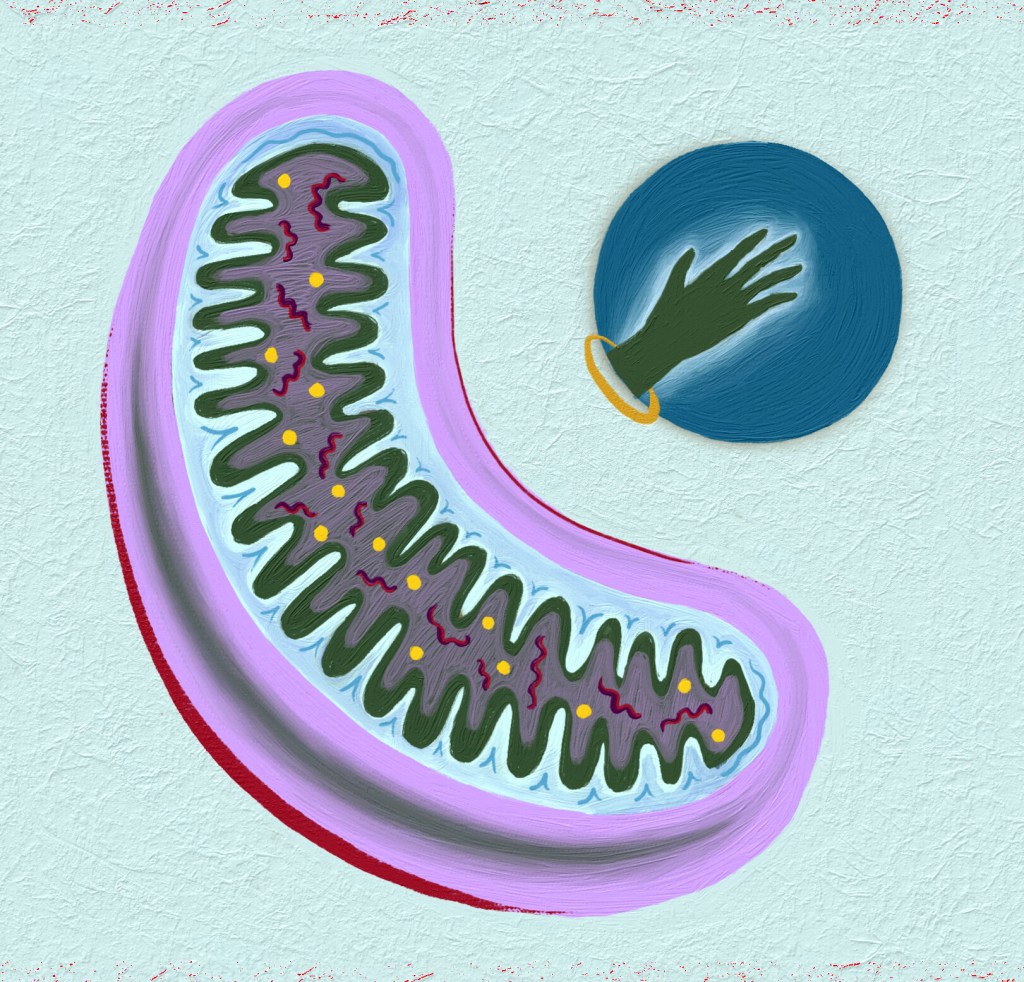
Decentring humans
Issues
-
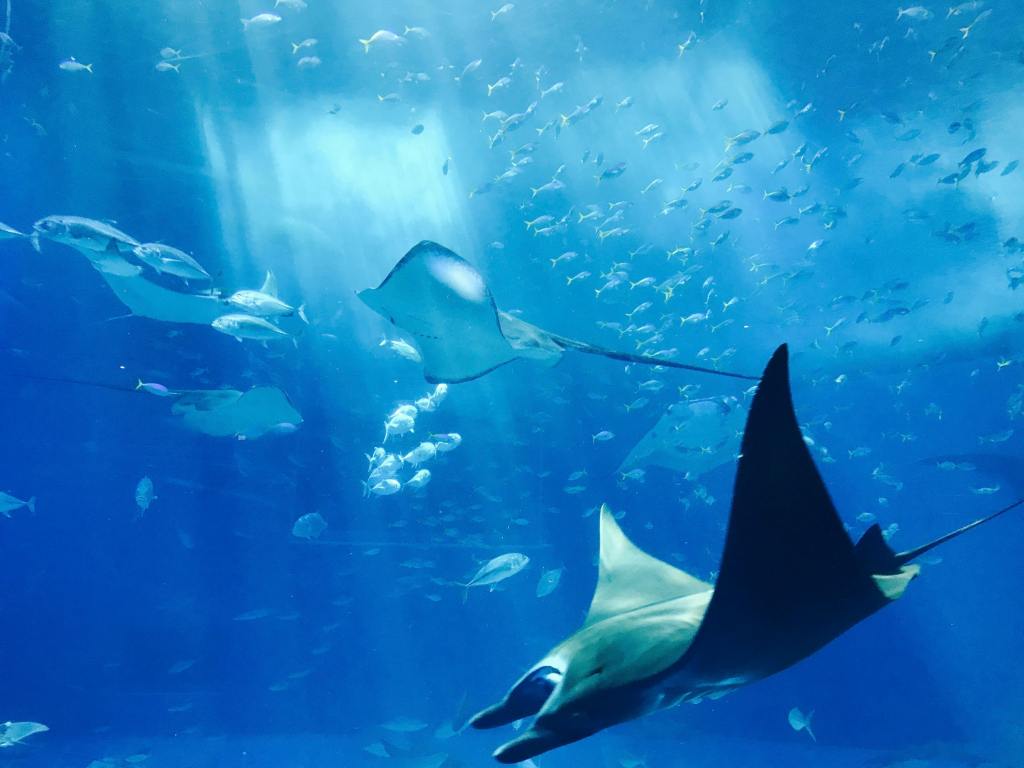
WTO bans fishing overexploitation while experts urge stronger ocean protection law
Emerging research indicates that global warming and overexploitation threaten oceans, with impacts potentially doubling by 2050. Effective marine protected areas show promise, but robust governance…
-

World Court: Countries Must Protect Climate and Lower Emissions or Face Law
The ICJ urges states to enhance climate protection obligations in response to youth activism, establishing legal accountability for environmental harm and recognizing climate change’s impact…
-
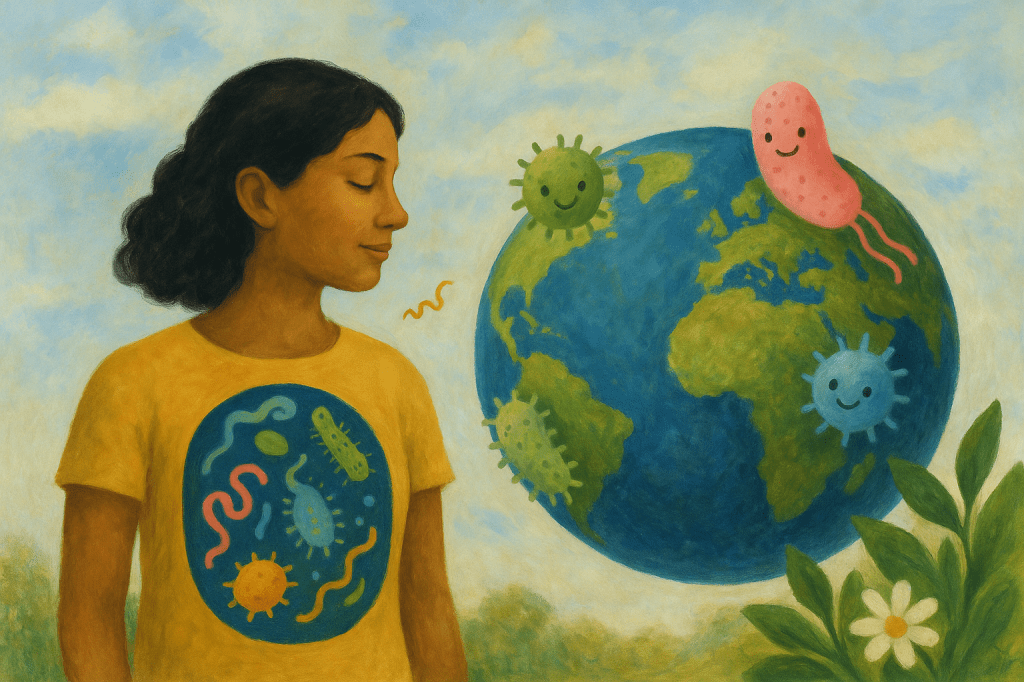
Microbes Transform Plastic into Painkillers, Power Gut Health & Protect Our Futures
Microbes, vital for life and planetary health, can transform plastic into painkillers like paracetamol. Research emphasizes preserving microbial diversity to tackle global crises and sustain…
-

Measuring True Progress: Nature Relationship, Social Tension, & Wellbeing Indices
New research introduces indices for nature relationships, social tension, and wellbeing, advocating for collaborative efforts to enhance human and ecological prosperity.
-
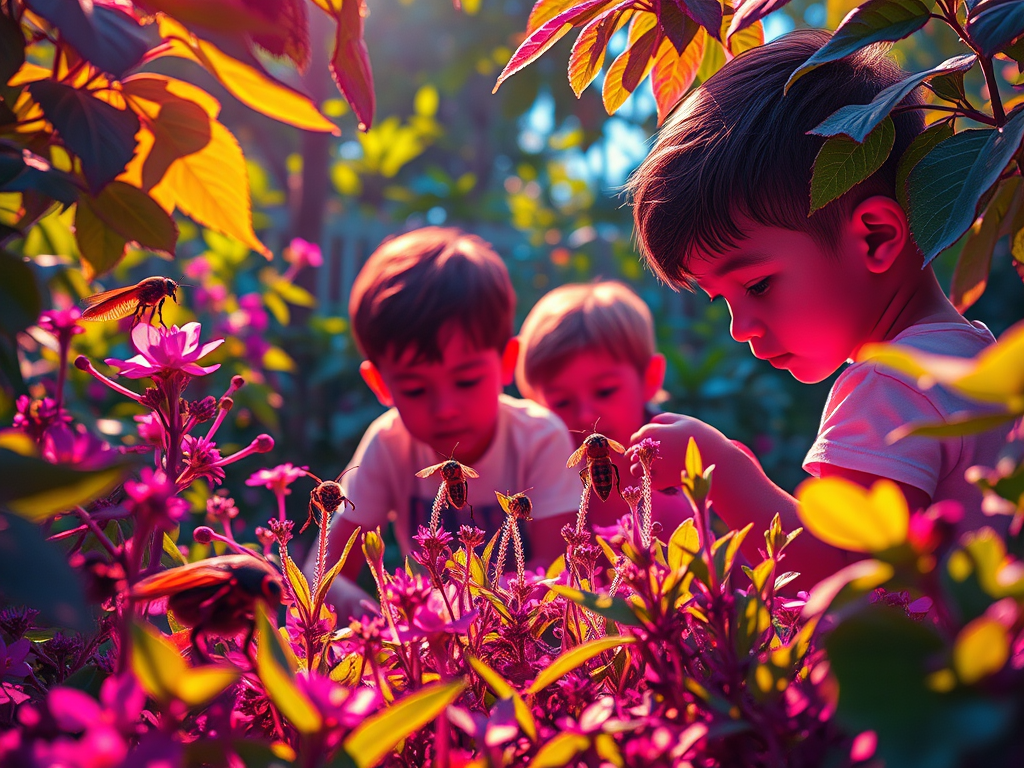
Reclaiming ecological imagination and feeling the world to expand perspectives
Marjolein Pijnappels advocates for relational learning over categorization, emphasizing small, actionable changes to foster connections across species and communities.
-
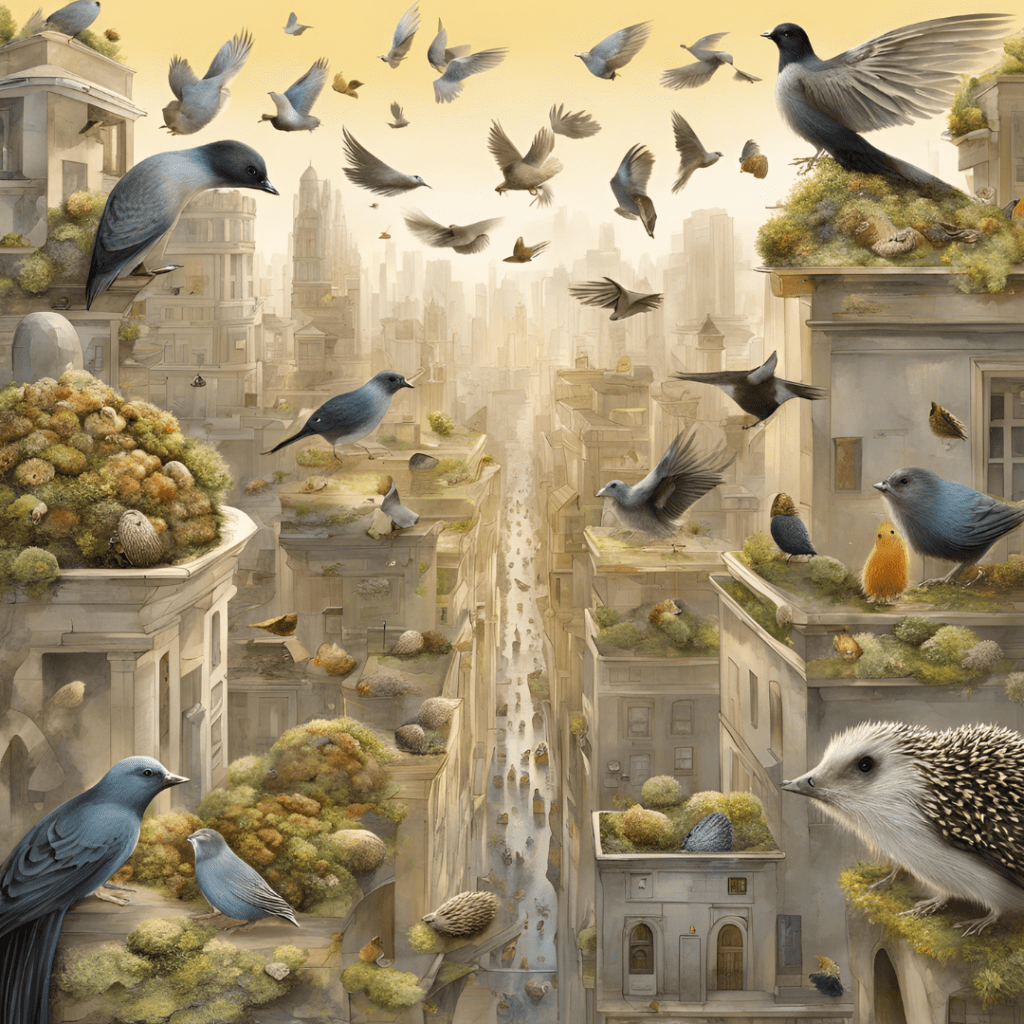
Building Communities in Symbiotic Cities
Venya Patel converses with Wouter van Noort, journalist from Dutch news organization NRC. Cities are living ecosystems, though they have long been designed primarily for…
-
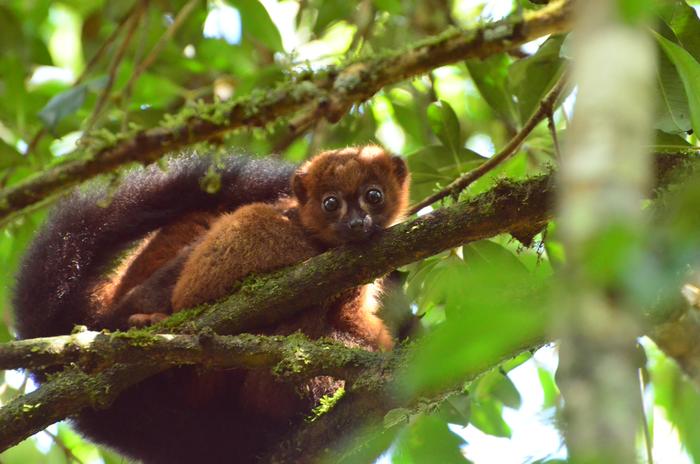
Saving Unique Species Needs Only a Fraction of Earth, but Action Is Lacking
Research from Imperial College London suggests protecting 1% of the Earth can significantly reduce threats to many endangered species.
-
Interview: Beneficial bacteria pass down memory boosting plant protection and symbiosis
A study reveals Bacillus subtilis bacteria possess multigenerational memory, enhancing symbiosis with plants and offering agricultural and probiotic innovations.
-
Archaea: Scientists unlock secrets of how the under-appreciated third form of life makes energy
Scientists at Monash University discovered ancient archaea’s hydrogen-producing enzymes, offering potential for green hydrogen production and industrial catalysts.
-
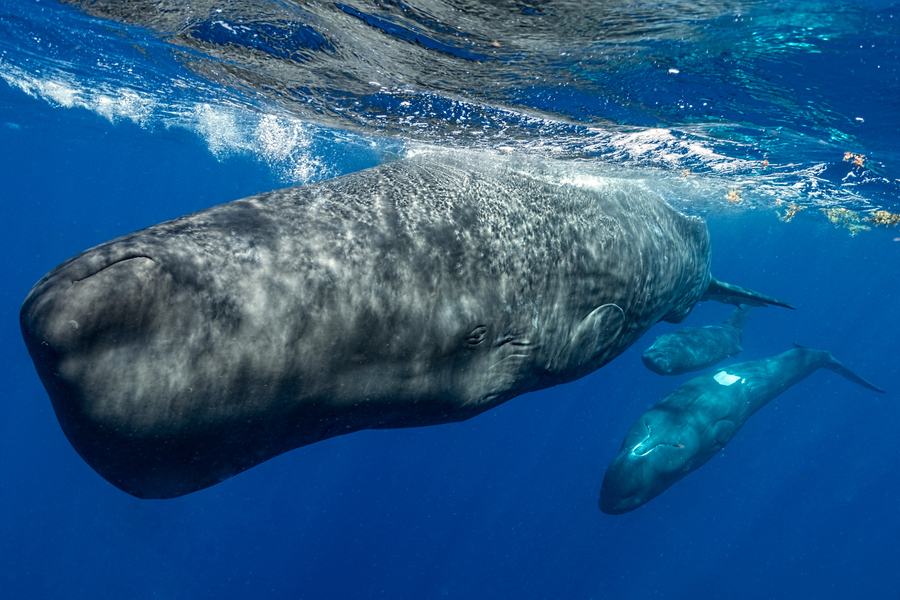
“Phonetic alphabet”: Scientists Use Machine Learning To decode sperm whale clicks
The marine mammals have a more complex communication system than previously thought, according to recent research by MIT in Nature Communications. The largest toothed whale…
-
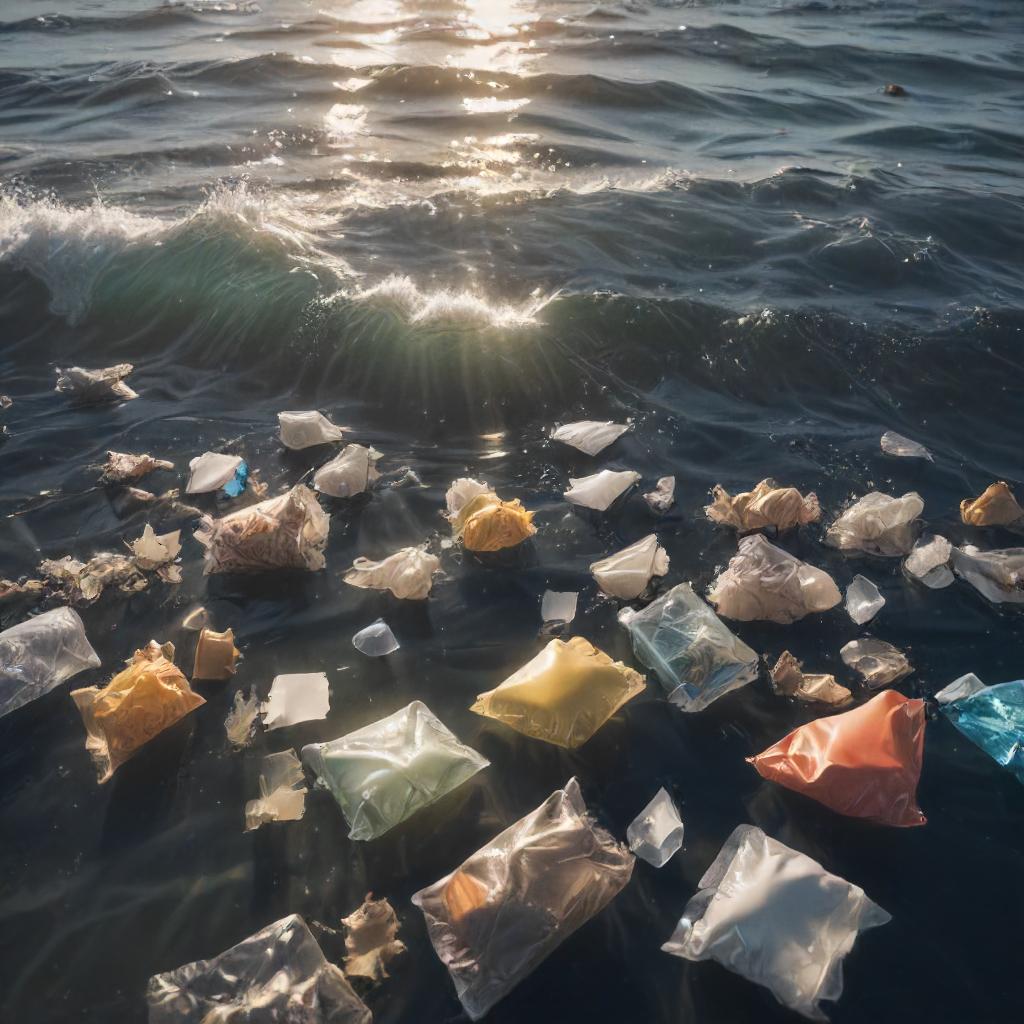
Dutch researchers discover plastic-eating marine fungus with low CO2 emissions
NIOZ discovered a fungus breaking down plastic in the sea due to UV radiation. The process releases CO2. UV light is crucial for the fungus.
-

Genocide is humanity’s suicide
The poem’s powerful imagery depicts the consequences of invisible lines that divide and lead to violence and suffering worldwide.
-
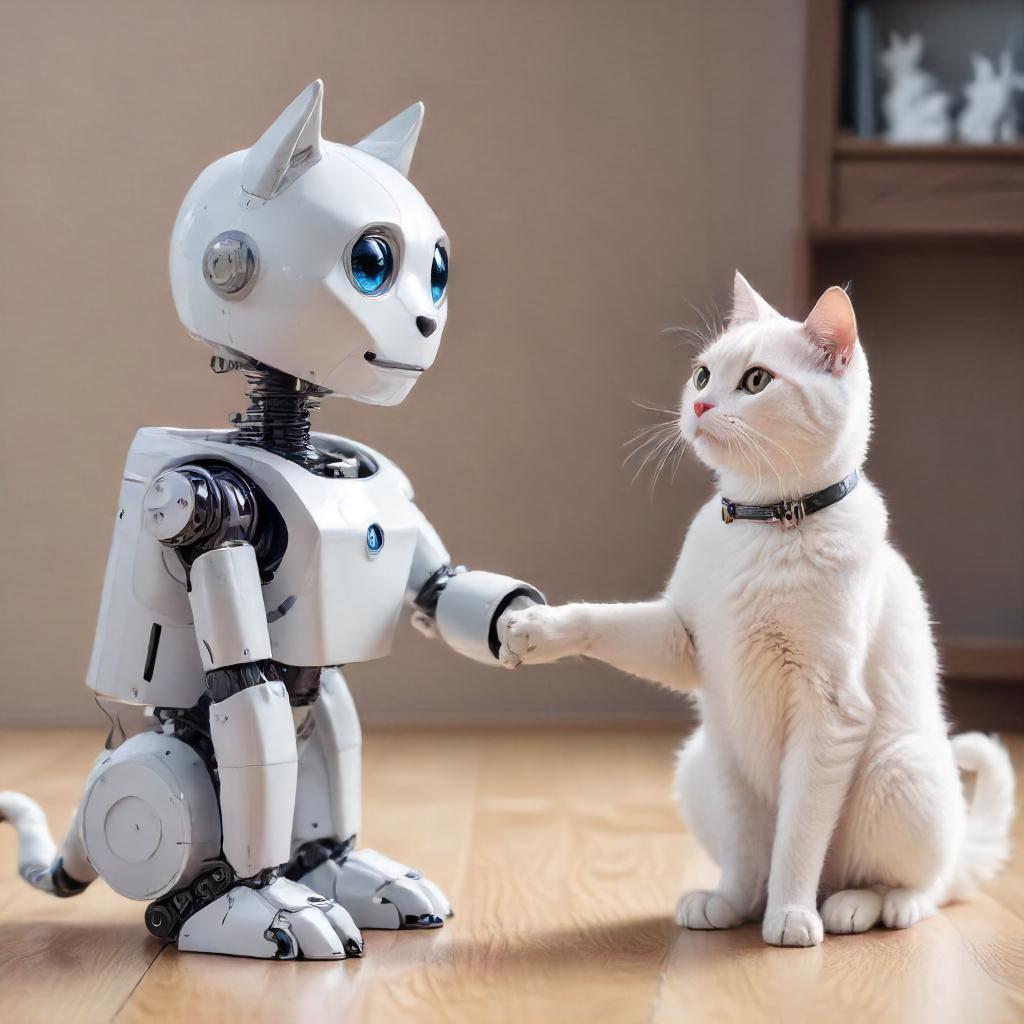
Paws and Prototypes: Building Trust with Robotic companions in a Multispecies World
University of Nottingham researchers and artists at Blast Theory collaborated to create a “multispecies world,” in which three cats and a robot arm coexisted, enclosed…
-
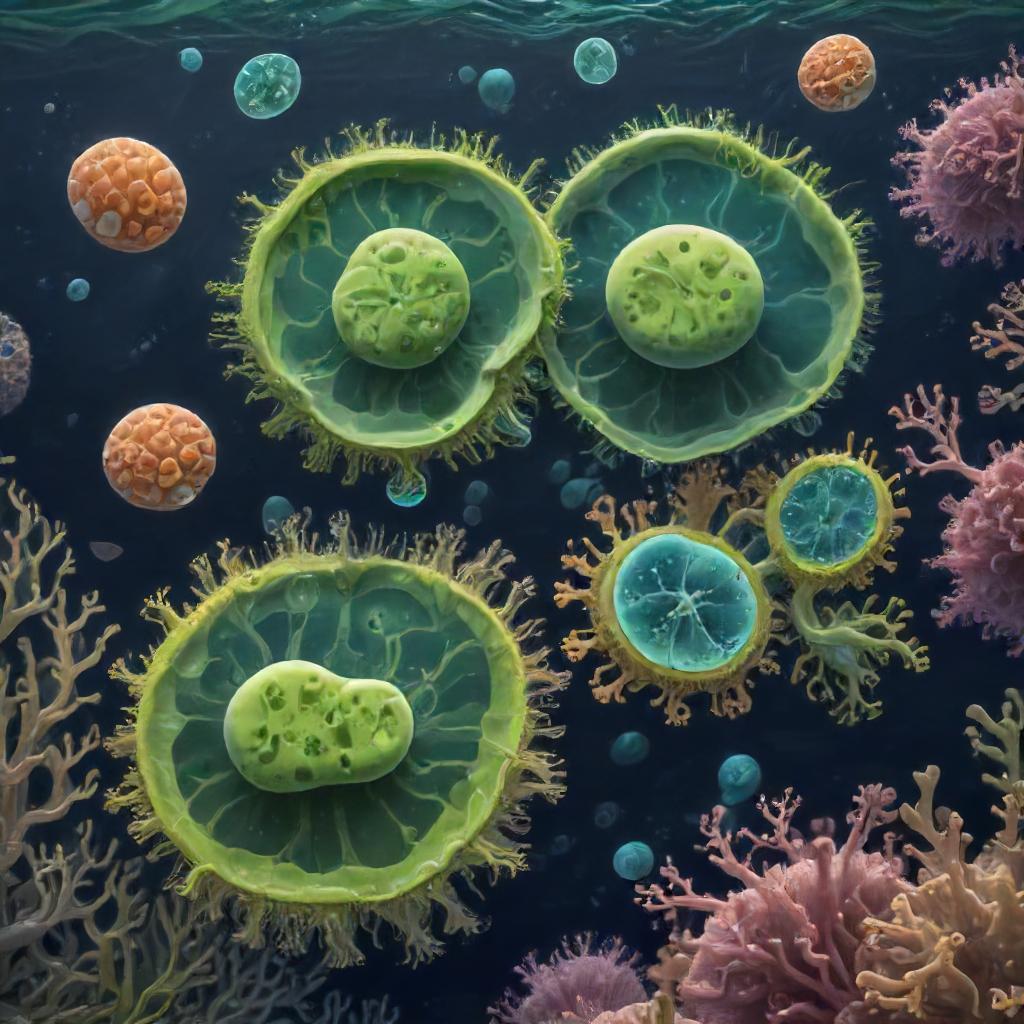
Symbiotic breakthrough: Nitroplast discovery unveils new chapter in evolutionary partnerships
Researchers at UC Santa Cruz, US, recently discovered “nitroplast,” dubbed the “first known nitrogen-fixing organelle” in a eukaryotic cell. The nitroplast is a result of…
-
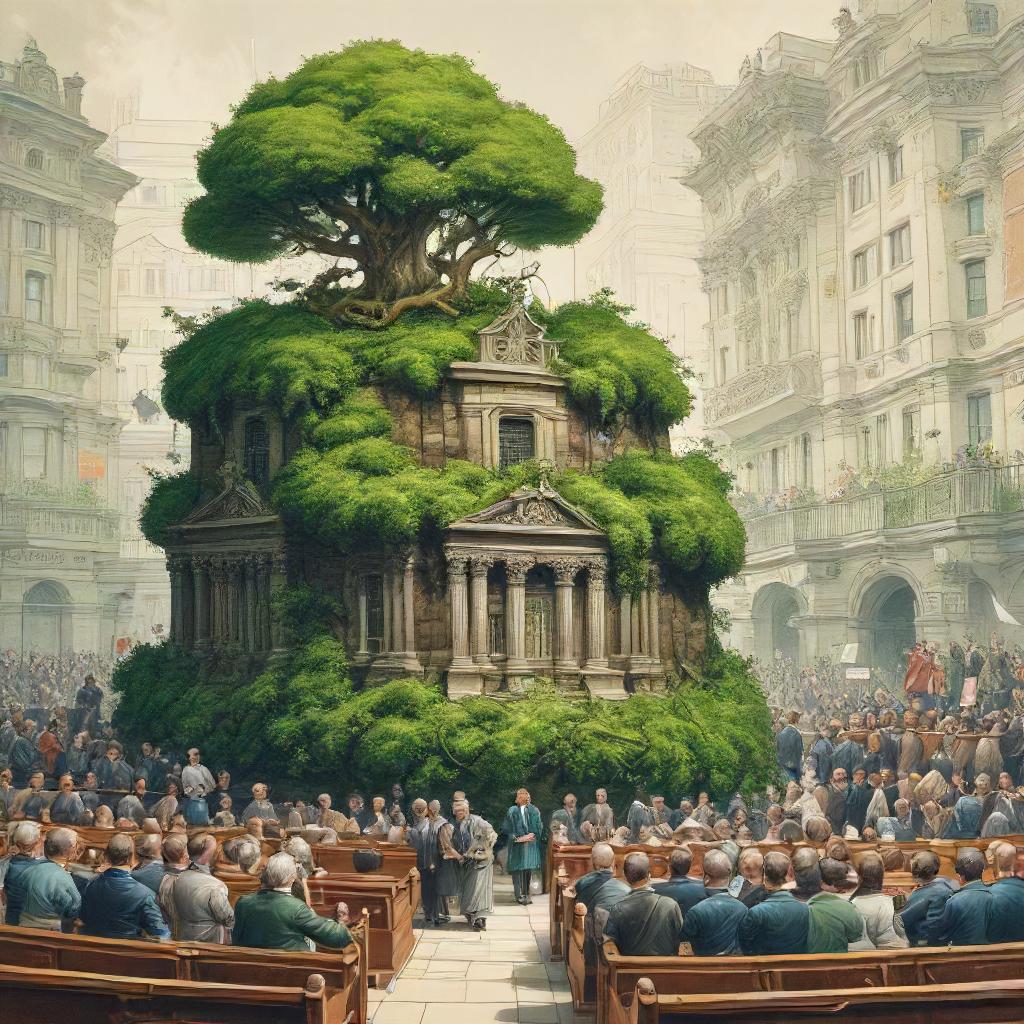
Human rights-based climate cases: “Two sides of the same coin?”
Representing over 2,000 women aged over 75, Verein KlimaSeniorinnen Schweiz and its four members sued their Swiss Government for “failing” to sufficiently protect the climate.…
-
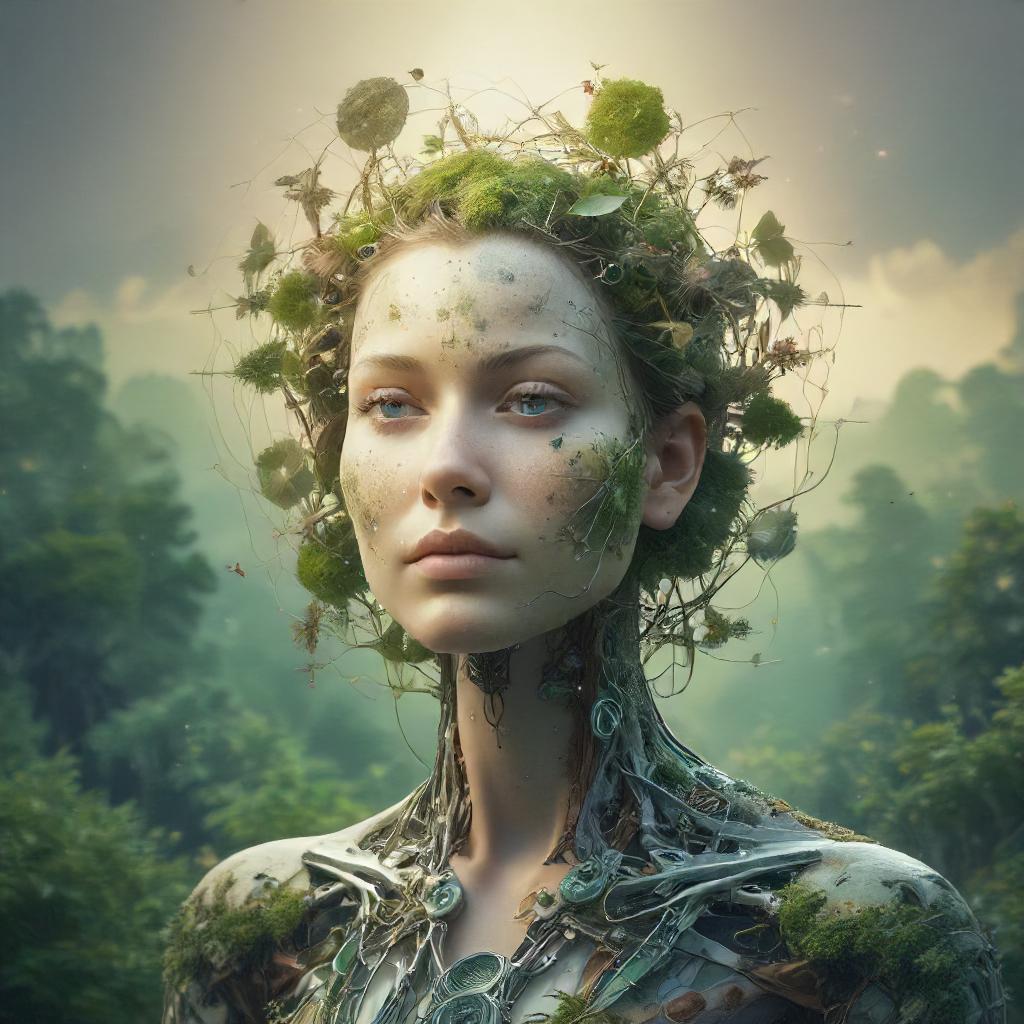
Beyond Anthropocentrism: Interview with Philosopher Francesca Ferrando on Posthumanism
Join thought-provoking Dr. Francesca Ferrando’s ideas in “The Art of Being Posthuman.” In this interview, Venya, founder of Symbiotic Futures, engages in a dialogue exploring…
-
Natasha Vita-More on Transhumanism, Neuroplasticity and Bias Mitigation
Dive into the insights of Dr. Natasha Vita-More, a leading figure in transhumanism, as she navigates the landscape of relationships between humans and technology. In…
-
Book Review: The Art of Being Posthuman by Francesca Ferrando
Does Ferrando succeed in guiding readers towards greater posthuman awareness? Newly released, The Art of Being Posthuman emerges as a visionary beacon with an enlightening…
-

On Suffering and Compassion: A Radical Embrace of Life
There is a deep sadness in being human today. Assumed to be the most lucky being to embody in place of another animal due to…
-
Figuring out Futures: Species Survival Amid Human Narcissism
We can only have multiple futures – possibilities of alternatives – when we can acknowledge that the future of human species is not the future…
-
Existential crisis over bacteria
❀ What can we learn from bacteria – our ancestors? Hear Venya Patel geek out about Lynn Margulis, a microbiologist famous for her theory on…
-
Primordial soup
A 3000 million year old recipe bubbles up and churns our breath. Ancestral secrets consistently pass down,yet they remain forgotten, invisible, naked – to the…
Search for a Topic
Categories
- Bacteria
- Book Review
- Ecology
- Environment
- Evolution
- Existential
- Futures
- Interview
- Philosophy
- Poetry
- Political
- Posthumanism
- Progress
- Reflections
- Research
- Rights
- Space
- Spirituality
- Technology
- Transhumanism
- Uncategorized
Recently Posted
- WTO bans fishing overexploitation while experts urge stronger ocean protection law
- World Court: Countries Must Protect Climate and Lower Emissions or Face Law
- Microbes Transform Plastic into Painkillers, Power Gut Health & Protect Our Futures
- Measuring True Progress: Nature Relationship, Social Tension, & Wellbeing Indices
- Reclaiming ecological imagination and feeling the world to expand perspectives
Submissions
Would you like to contribute your art, essay, poem or content? Let us know all your details about yourself and send us a message.
Collaborate With Us!
Symbiotic Futures is about realising our relationships to other species. Inspired by posthumanism, it is the go-to source for multi-disciplinary and multi-media content featuring art, essays, stories, blogs, videos, interviews, and podcasts.
We aim to create an intellectual, creative and artistic community, passionate about non-human forms of life and our relations to them, shaping new futures.

