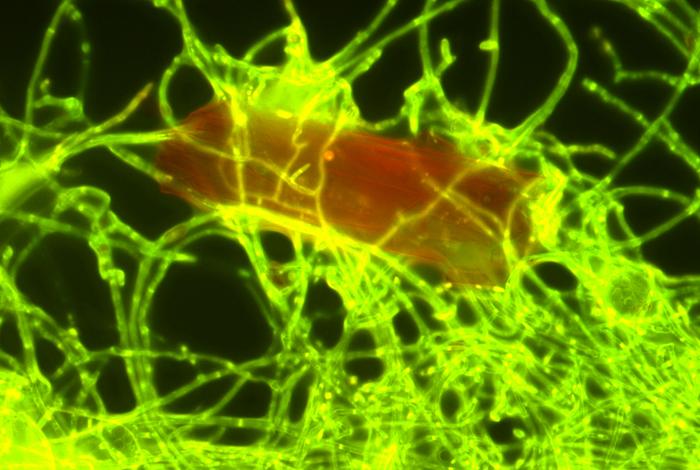
The Royal Netherlands Institute for Sea Research (NIOZ) has discovered a fungus in the sea that breaks down plastic polyethylene (PE) after it has been exposed to UV radiation from the sun.
Published in Science of the Total Environment, the study points out that PE is the most abundant type of plastic swept into the ocean.
Marine biologists found the fungus Parengyodontium album (P. album) breaking down PE in the North Pacific Ocean, expecting many other species in the deeper parts of the ocean to have the same ability. P. album lives with marine microbes on thin layers of plastic litter.
The species joins four other known plastic-degrading marine fungi, meanwhile scientists know a larger number of bacteria with the same ability.
Curbing carbon
The breakdown of PE was found to occur at a rate of 0.05% a day.
NIOZ’s Dr. Annika Vaksmaa, lead author, remarks, “What makes this research scientifically outstanding, is that we can quantify the degradation process.”
“Our measurements also showed that the fungus doesn’t use much of the carbon coming from the PE when breaking it down. Most of the PE that P. album uses is converted into carbon dioxide, which the fungus excretes again.”
Despite the fact that CO2 is a greenhouse gas, scientists suggest the process is not likely to cause any new issues because the amount released by fungi is the same as the small amount that people breathe out.
UV light makes it right
The research stresses the essentiality of sunlight that prompts the fungus to “use PE as an energy source.”
“In the lab, P. album only breaks down PE that has been exposed to UV-light at least for a short period of time. That means that in the ocean, the fungus can only degrade plastic that has been floating near the surface initially,” explains Vaksmaa.
“It was already known that UV-light breaks down plastic by itself mechanically, but our results show that it also facilitates the biological plastic breakdown by marine fungi.”
However, scientists worry that a large volume of plastic sinks into the ocean before being exposed to sunlight, therefore, P.album will not be able to use it.
Vaksmaa expects that “marine fungi can break down complex materials made of carbon.”
She says, “There are numerous amounts of marine fungi, so it is likely that in addition to the four species identified so far, other species also contribute to plastic degradation. There are still many questions about the dynamics of how plastic degradation takes place in deeper layers.”
Ocean contained plastic
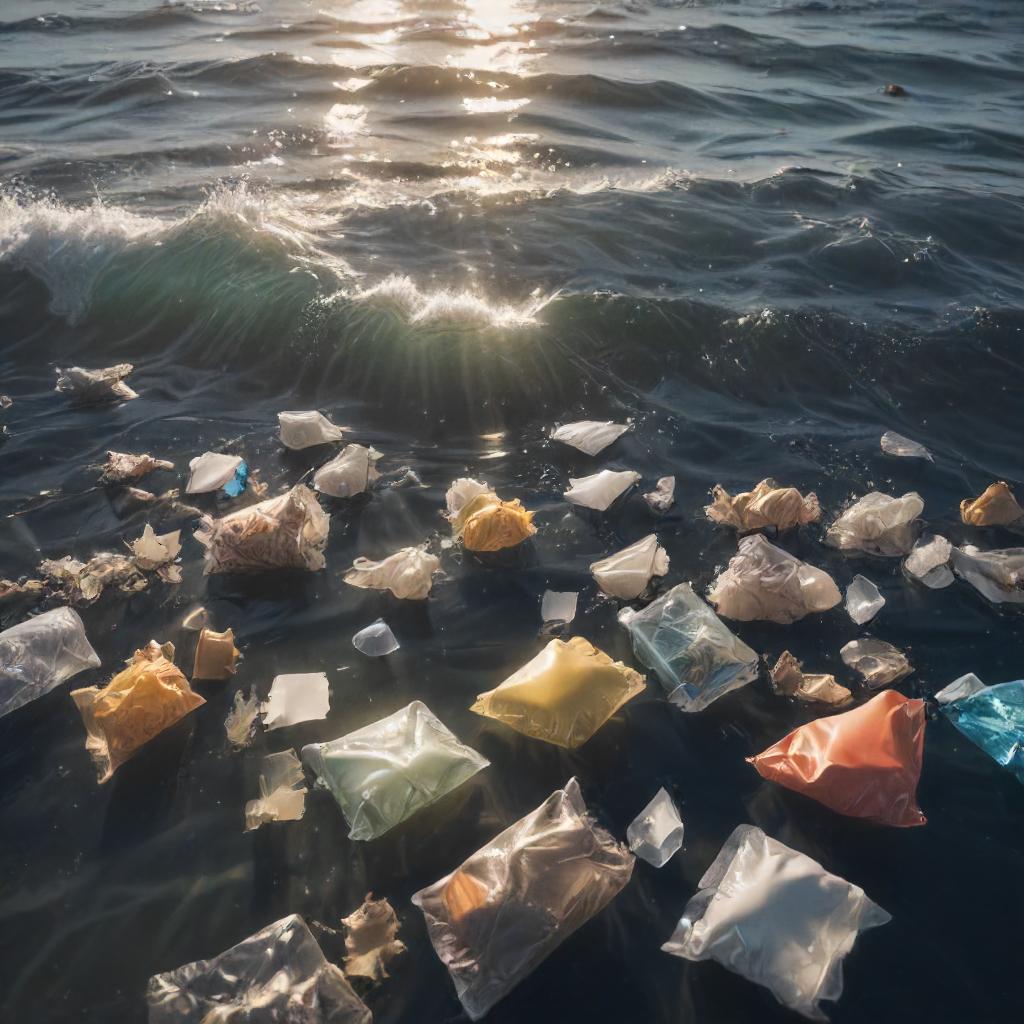
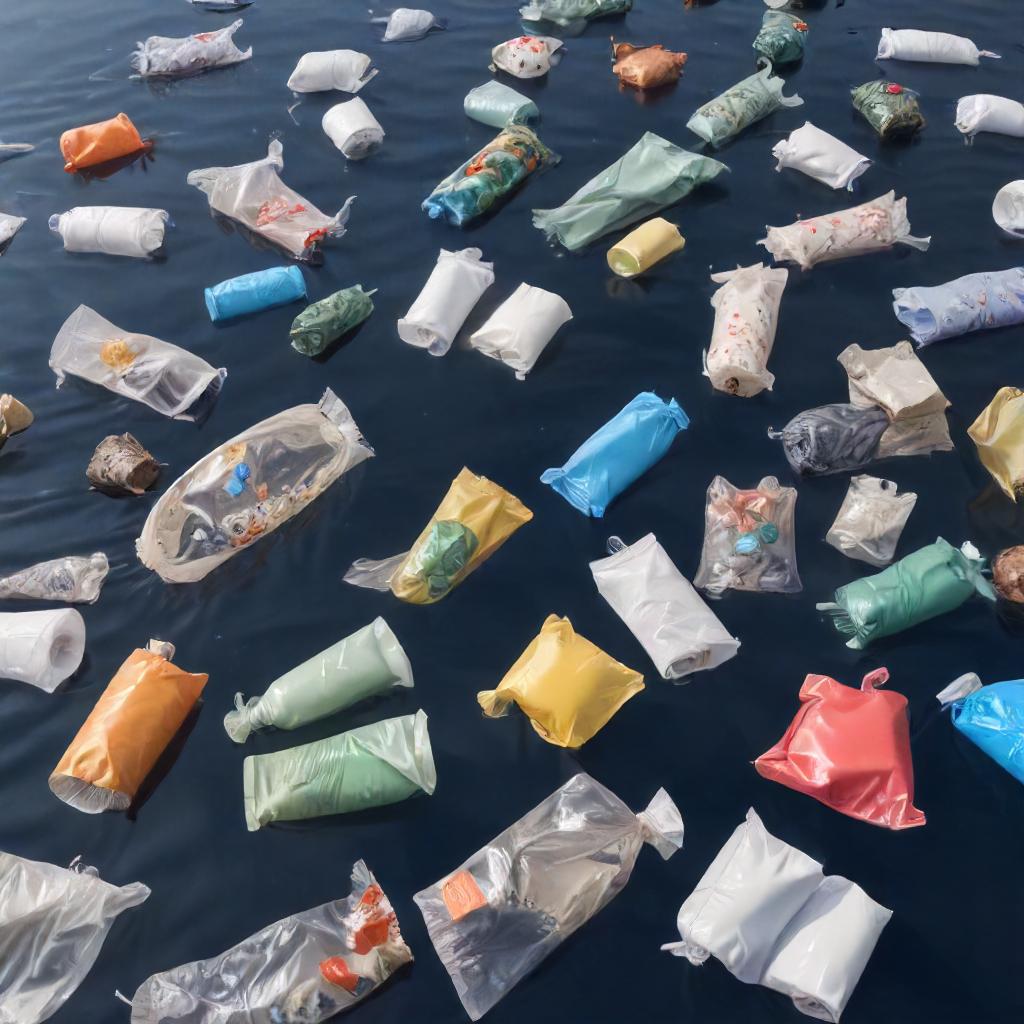
With the 400 billion kilograms of plastic produced by humans, which is expected to at least triple by 2060, NIOZ underscores the urgency for finding plastic-degrading organisms.
The institute flags that plastic waste ends up in the ocean and travels around the globe before reaching the seafloor.
Vaksmaa adds, “Large amounts of plastics end up in subtropical gyres, ring-shaped currents in oceans in which seawater is almost stationary. That means once the plastic has been carried there, it gets trapped there.”
“Some 80 million kilograms of floating plastic have already accumulated in the North Pacific Subtropical Gyre in the Pacific Ocean alone, which is only one of the six large gyres worldwide.”
The NIOZ collaborated Utrecht University, the Ocean Cleanup Foundation and research institutes in Paris, Copenhagen and St Gallen, Switzerland.
Written by Venya Patel


Leave a Reply