These tiny organisms, from which life began and diversified, are essential to the health of our planet and well-being across all life. New research has found its potential in turning plastic trash into painkillers, while another study revealed their symbiotic relationship with our guts, where they feed on sugars produced by the body and, in return, create an essential compound needed for gut cells. Meanwhile, scientists are working together to create a bank of microbial strains before they disappear due to harmful human actions to overcome any potential global crises.
Microbes turn plastic into paracetamol
The common bacterium E. coli has been discovered to transform everyday plastic waste into a painkiller. University of Edinburgh researchers say that this method also reduces carbon emissions, promoting a more sustainable production method of paracetamol.
They genetically reprogrammed E. coli to speed up the conversion of PET waste into paracetamol in less than 24 hours. The researchers compare this fermentation process to brewing beer. They highlight how combining chemistry with biology enables the production of chemicals by reducing waste, greenhouse gas emissions, and fossil fuel reliance.
The researchers share that paracetamol is generally made from fossil fuels, including crude oil. They urge alternative production methods that use waste, as PET ultimately ends up in landfills or polluting oceans. The paper in Nature Chemistry warns that this plastic is used for water bottles and food packaging, ultimately creating over 350 million tons of waste annually.
Safeguarding microbes and futures
A global effort to preserve the world’s collection of healthy microbes is entering a new phase. The Microbiota Vault Initiative, inspired by Norway’s The Seed Vault, is safeguarding genetic diversity in the event of a global crisis and for future generations. Their perspective article in Nature Communications lays out the ethics of equitable collaboration and depositor sovereignty.
The team recognizes the importance of microbial life for the planet’s health, including its inhabitants. Microbes boost soil and plant health, human health, and control greenhouse gas emissions. However, human activities threaten these microbes, whose threat is likened to the severity of climate change. Overusing antibiotics, cesarean sections, formula feeding, and pesticides is destroying microbiomes across life.
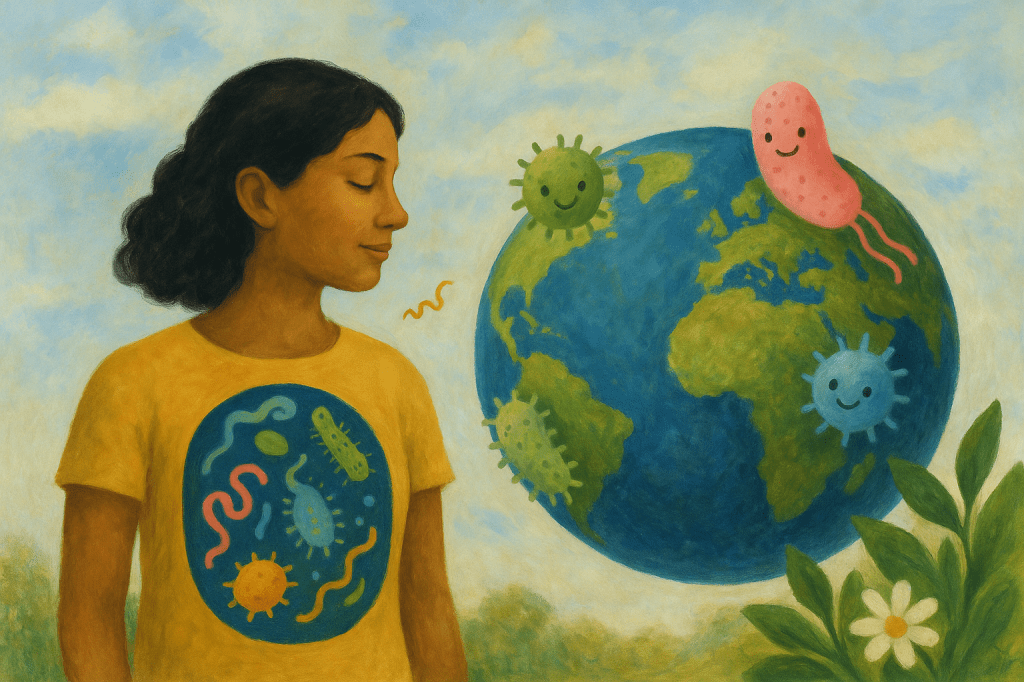
“It’s very much a long-term project, because maybe 100 years from now, having saved these microbes could prevent a major disaster,” says co-author Martin Blaser, member of the board of directors for the initiative, director of Rutger’s Center for Advanced Biotechnology and Medicine, Henry Rutgers Chair of the Human Microbiome and a professor at Rutgers Robert Wood Johnson Medical School.
Scientists have collected 2,000 microbial samples, stored temporarily in cryogenic conditions at the Institute of Medical Microbiology at the University of Zurich. By 2029, they aim to preserve up to 10,000 strains. Blaser adds, “If it is too late, and key members of the microbiome are gone, like the dodo bird, we can’t restore them, unless we have them safely stored away.”
Gut microbes feed on gut sugars to make essential compounds
A symbiotic relationship between gut microbes and the human gut has been found. Previously thought to feed on dietary fibre, researchers at Kobe University, Japan, found that they actually feed on the glucose excreted by the host in the small intestine (jejunum). The glucose is transported into the large intestine and rectum and is transformed into short-chain fatty acids, which are an important energy source for gut cells. The study in Communications Medicine discovers that intestinal glucose excretion is a universal physiological phenomenon in animals.
 Symbiotic Futures
Leave a comment